Sustainable heat recovery systems in the automotive industry
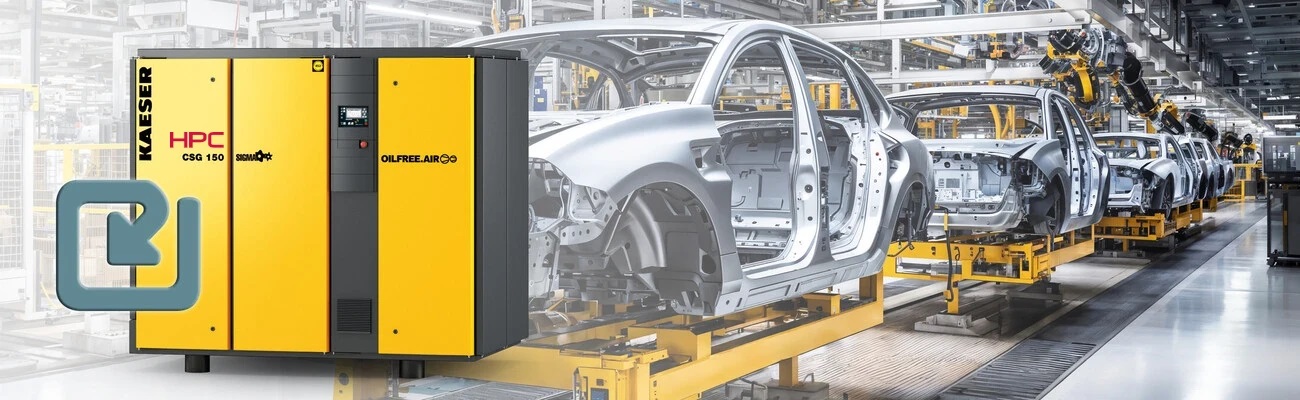
Companies in the automotive industry in particular are looking for innovative solutions to permanently reduce their operating costs and ecological footprint. A technology that is becoming increasingly important in this context is heat recovery with compressors.
In this blog post, we take a look at the benefits of hot water applications made possible by these systems.
Heat recovery can significantly reduce companies' energy consumption. A large proportion of the energy used to generate compressed air is converted into compression heat. Instead of releasing this heat unused into the environment, it can be captured by a heat recovery system and used to heat water. This not only reduces energy costs, but also leads to more efficient use of the resources used.
The installation of innovative heat recovery systems not only saves money, but also helps reduce CO₂ emissions. By using fewer fossil fuels to heat water, companies are making an active contribution to climate protection.
Versatile applications
The automotive industry is by nature a driver of innovation and a pioneer. It is therefore not surprising that heat recovery is increasingly being used here.
The hot water applications are as diverse as the model ranges of the car manufacturers:
- Preheating of cleaning water: In automobile production, large quantities of water are required for a variety of cleaning processes. Heat recovery can be used to preheat the water, which significantly reduces the energy consumption for heating.
The warm water is then used to clean parts and components to remove oil, grease, dirt and other contaminants. To ensure proper function and product quality, the machines and production systems themselves must of course also be cleaned regularly. Contamination can lead to breakdowns or rejects.
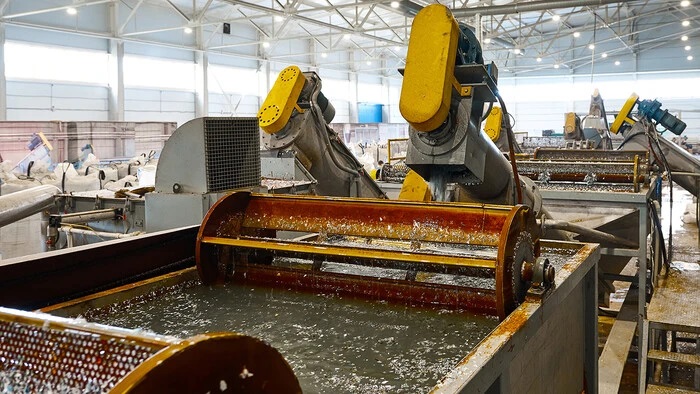
- Preparation of surface treatment: Before painting or coating, metal surfaces must be carefully degreased. Here too, warm water supports chemical cleaning agents in effectively removing oils and greases.
After cleaning, a process known as phosphating is often used. This process for preparing metal surfaces for better adhesion and corrosion protection also requires warm water.
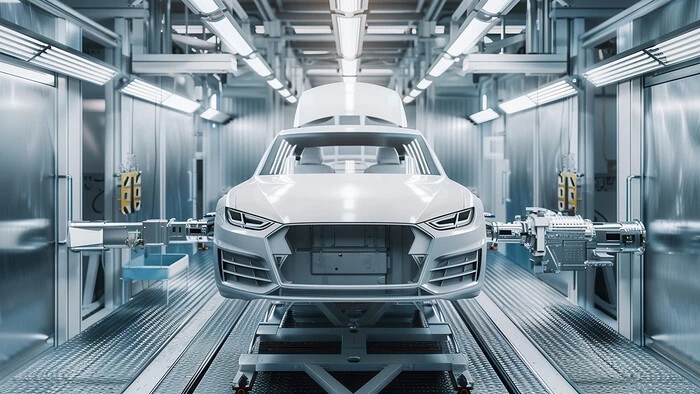
- Process heat: In some manufacturing processes – such as injection molding – the tools and molds must be preheated to certain temperatures. Hot water serves as an effective medium for tempering.
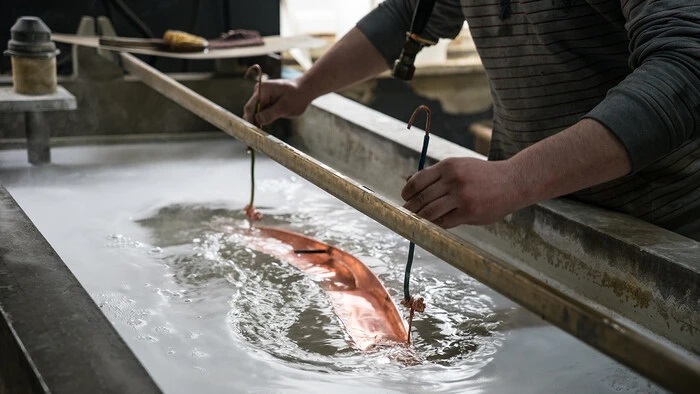
Another application of process heat is the use of process baths. In metal processing or surface coating, various baths are often used that must be heated to certain temperatures to promote chemical reactions. A distinction is made here between galvanic processes (electroplating) and chemical processes (electroless metal deposition).
- Heating of production rooms: The waste heat generated by compressors can be used to heat production halls or workshops. This ensures a pleasant working environment. This is important for employee satisfaction and productivity.
- Hot water for sanitary facilities: Heat recovery can also be used to provide hot water for sanitary facilities. Hot water for washing hands is particularly necessary in production areas where employees work with greasy or dirty materials.

Efficient heat recovery systems from HPC KAESER
In order to fully exploit the potential of the thermal energy generated, almost all HPC KAESER screw compressors, boosters and blowers can be equipped with modern heat recovery systems.
Screw compressors from the SM series (from 5.5 kW) can be equipped with plate heat exchanger systems (PTG). Depending on the size of the system, the PTG system is built into the compressor or installed externally.
For water-cooled systems, integrated plate or tube bundle heat exchangers are available depending on the existing water quality.
For compressed air stations with multiple compressors or blowers, our SIGMA AIR MANAGER 4.0 compressed air management system ensures optimum efficiency. Systems with an integrated heat recovery system can be controlled and operated specifically when there is a need for waste heat. Networking via the secure HPC KAESER SIGMA NETWORK enables connection to control technology.
Investments in a heat recovery system often pay for themselves quickly through savings in energy costs. This can reduce operating expenses in the long term and increase profitability.
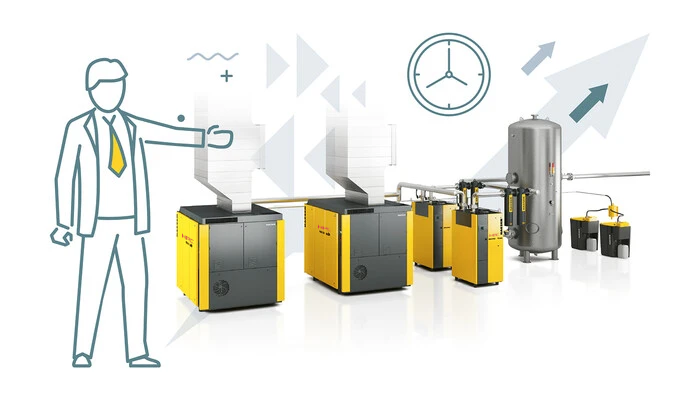
Actual data analysis and KAESER energy saving system
We know what matters: With the Analysis of the Initial Situation (ADA) and the KAESER Energy Saving System (KESS), our experts can provide detailed insights into your compressed air system. This enables us to optimize your compressed air supply for maximum efficiency and reliability.
Unlock the full potential of heat recovery: With our energy saving system KESS, it is possible to calculate exactly the heat that can be recovered using hot water depending on the operating behaviour of the compressors. Your advantage: After a measurement by our experts, you receive your individual potential for heat recovery. This means you have your savings in black and white.
Advantages of heat recovery at a glance
- Energy savings: By using waste heat, the need for additional energy to heat water is reduced, resulting in significant cost savings.
- Environmental friendliness: Reducing energy consumption helps reduce CO2 emissions and supports compliance with sustainability goals.
- Increased efficiency: The integration of heat recovery systems improves the overall efficiency of production processes because less energy is required to generate heat.
Limited Time Offer!
From 1st March 2026, go "All Yellow" and take advantage of the Limited Time Special Offers we have on 3-in-1 compressed air packages!

Get In Touch With HPC Today
Do you need help finding the right air compressor solution or compressed air system for your business?
Auto Compressor Selection Guide
Try our new Automotive Compressor Selection Guide to find the right compressor that matches your needs.
Energy Calculator
Try our new Energy Savings Calculator to find out how much you could be saving in energy costs.